
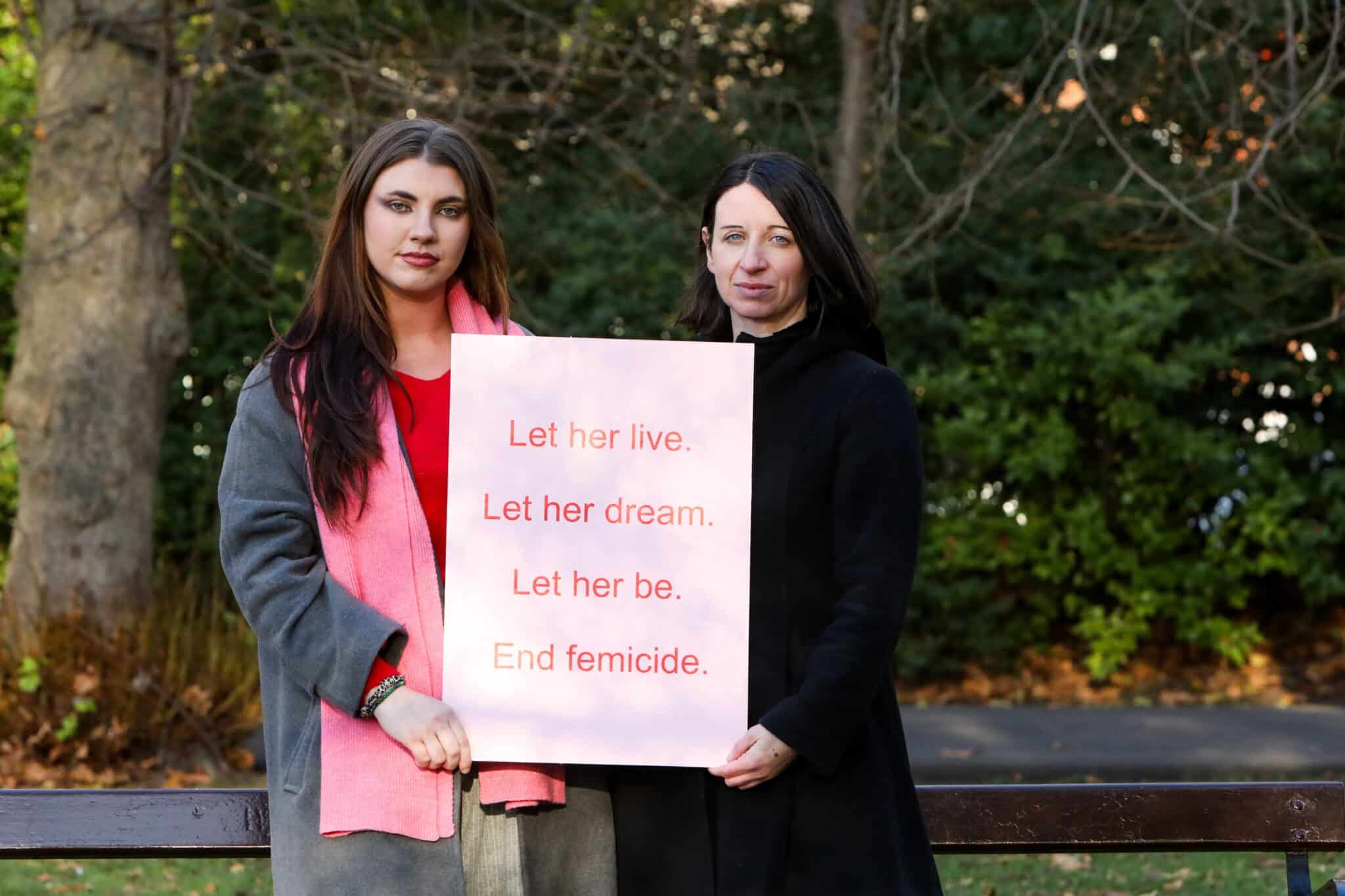
Around the world a woman is killed every ten minutes. Femicide is a global crisis of women being killed, in the main by their partners, because they are women.
While Christmas is a season of joy and family for so many, for millions of women and girls around the world, and in Ireland, this Christmas will be about survival, not celebration.
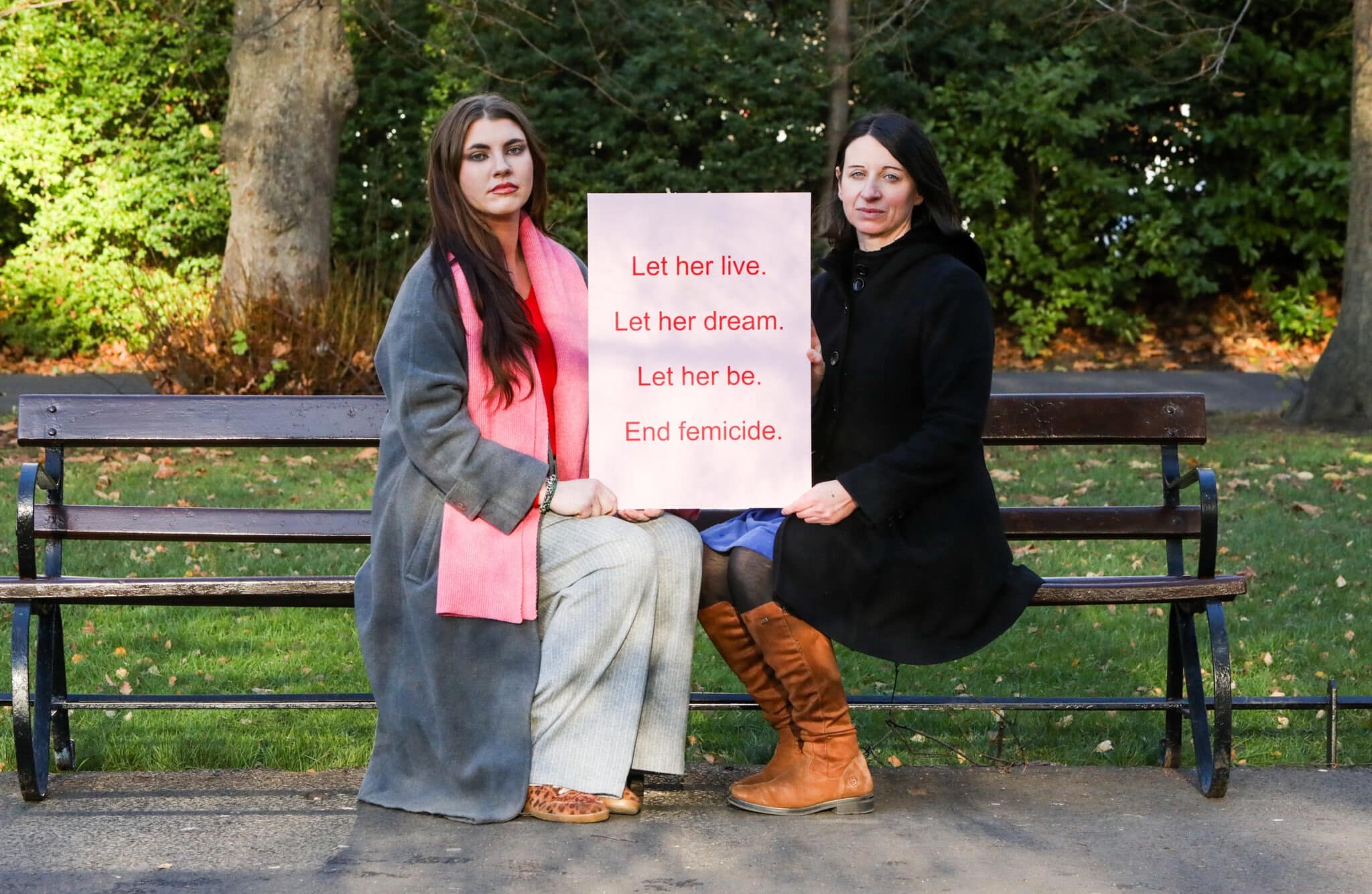
Sadly, for most women, home is the most dangerous place. The majority of murders of women are by their own husband or partner. Recent UK research has found that a woman is more likely to be murdered by her own son than a stranger.
Femicide is a global problem, with rates in some countries increasing at an alarming rate. For example, the crisis is deepening in Kenya where there was a 79% increase in 2024, highlighting a national emergency of gendered violence. A report by the police in Kenya shows that one woman is killed every day.
In Ireland since 1996, 277 women have been killed in Ireland (as of the 19th of November 2025), and in 9 out of 10 cases the killer was a man known to the victim. One in two women in Ireland experiences sexual violence in her lifetime.
This Christmas, ActionAid Ireland is putting a spotlight on the need to end femicide — a reality happening in communities across the world. From Ireland to Kenya, women are facing the most brutal expression of gendered inequality on a terrifying scale.
As part of this campaign, we’ve been speaking with women who understand this reality more than most — women who have survived violence, fought for justice, and used their own experience to push for change. One of those women is survivor and campaigner, Natasha O’Brien.
Speaking at the launch, Natasha, whose brutal assault in 2022 and subsequent suspended sentence for her attacker sparked nationwide conversations around gender-based violence said: “Gender-based violence is not a distant issue. It is happening in every community and every county in Ireland and globally. It is shocking to see the numbers of how many women are killed every year, just because they are a woman. Too many women live in fear, without adequate resources or access to justice.”
She added: “I know what it feels like to be silenced, dismissed, and made invisible. For years I believed that my voice didn’t matter until I used it, and this country stood with me. But countless women never get that chance. They suffer in silence, in fear, and without support. That’s why this campaign matters. We cannot look away. We cannot stay silent.”
Karol Balfe, CEO of ActionAid Ireland added: “We owe a huge amount to women like Natasha O’Brien, whose bravery in speaking out is an inspiration for women. This Christmas we are highlighting the epidemic of violence against women in Ireland and around the world and the amazing role that women and women’s rights organisations play in creating better laws, policies and awareness. It is because of them that this issue gets attention.”
Femicide is not inevitable. We have seen femicide reducing through laws and policies, and safe spaces for women’s groups.
Last year, ActionAid supported over 5,000 women in Kenya access safe spaces, counselling, medical care and legal aid. More than 1,200 women were able to take their first steps towards independence through leadership training, financial literacy, and livelihood opportunities such as farming, tailoring and small businesses.
We can, and must, end femicide.
Here are three things you can do to support our campaign against femicide:
