
Join us in celebrating women driving change
Behind every step forward in the fight for women’s liberation and equality are the women who fought for it. The changemakers. The rebels. The women who questioned the status quo. The ones who struggled. Challenged the system, redefined what was possible and paved the way for every woman after them.
And we want to celebrate them.
That’s why this November, ActionAid Ireland and the Irish Family Planning Association are presenting Because of Her, a multimedia exhibition celebrating women’s rights activists in Ireland, Palestine and around the world.
Through interviews, photography and audio, documentary filmmaker and photographer Beta Bajgart has brought together the powerful stories of some of the women who have dedicated their lives to advancing women’s rights.
Speaker Series
Alongside the exhibition, we will have two panel discussions, in Galway and Dublin, celebrating some of the trailblazing women who have inspired change in Ireland and around the world.
Galway
When: 7:30 pm, Monday, 23 November 2026
Where: University of Galway, Institute for Lifecourse and Society, Galway City University
Dublin
When: 6 pm, Wednesday, 25 November 2026
Where: School of Religion, Theology and Peace Studies, Trinity College Dublin
Leave a Message of Solidarity
If you had the power, what one thing would you change for women today, and why?
Meet the extraordinary women who are part of 'Because of Her'
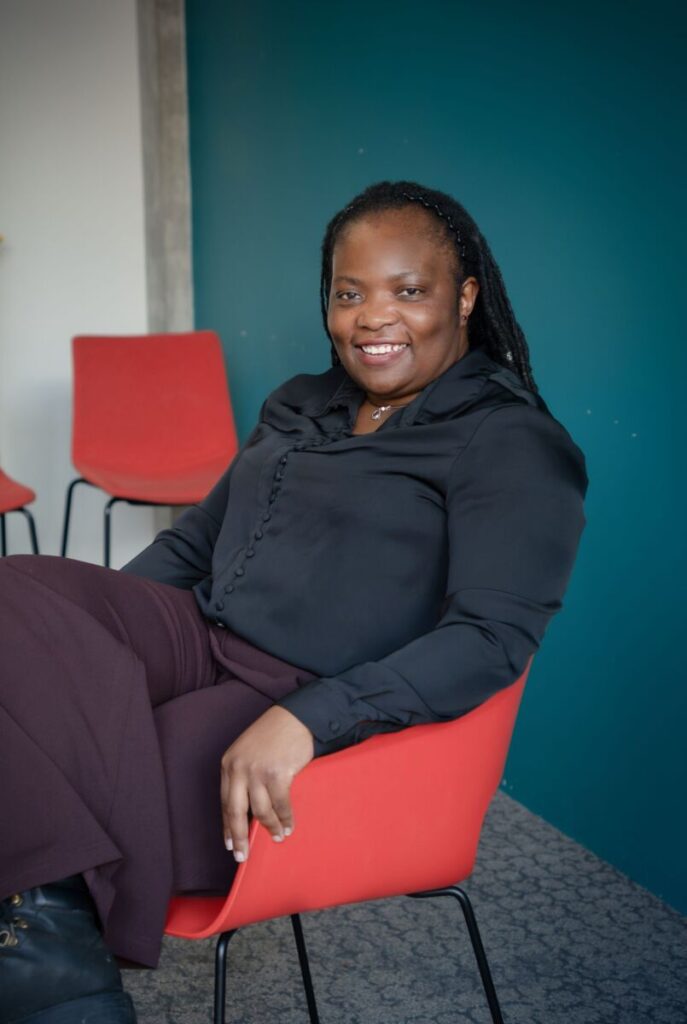
Women standing up against discrimination and racism
Nearly half of all international migrants are women, many of whom migrate to escape gender-based violence, poverty, and discriminatory cultural practices. Migrants coming to Ireland face bureaucracy and rising racism.
Rosemary Lioness is the founder of Dignity Perspectives. She is a dedicated social entrepreneur and experienced community organiser who promotes inclusion through non-formal education programmes aimed at addressing information poverty and facilitating meaningful integration for individuals from refugee and migrant backgrounds within Irish society.
“I felt like there is a lot of information poverty, gaps in accessing information and in how to use appropriately. After you seek help, build yourself, go back to education and live your life. Working in something that I’m enjoying. You’d hear women saying, actually “it gave me hope when I lost it all.””
Her message for future generations: “The progress that I would like to see is the changing of the narrative. Seeing a migrant woman as someone that can also contribute, as someone with intellectual capital, not just somebody that is a service user, not just someone that needs support.”
Reproductive rights in Ireland and internationally
Globally, roughly 40% of women live in countries where abortion is completely prohibited or severely restricted. Research consistently shows that restricting legal access does not reduce the number of abortions, but instead drives people toward unsafe, illegal methods.
Nelly Munyasia is the Executive Director of Reproductive Health Network Kenya. She is a nurse, midwife and champion of reproductive rights. She advocates for safe, legal abortion and quality reproductive healthcare, particularly for marginalised women and girls.
“I grew up in a community where boys were recognised, girls were not recognised. I saw girls being married off at an early age so that boys could be taken to school. And looking back, that was purely a system that was broken as a society that never prioritised girls. During my nursing school, I also saw girls die trying to procure abortions illegally and because they did not know whether it was legal or illegal. They did not know where they could access services. The question that kept lingering in my head over and over is how do we change these injustices?”
Her message for future generations: “This fight has been going on for quite the longest time and what we’ve learned over the years is that freedom is just not given, you have to fight for it.”
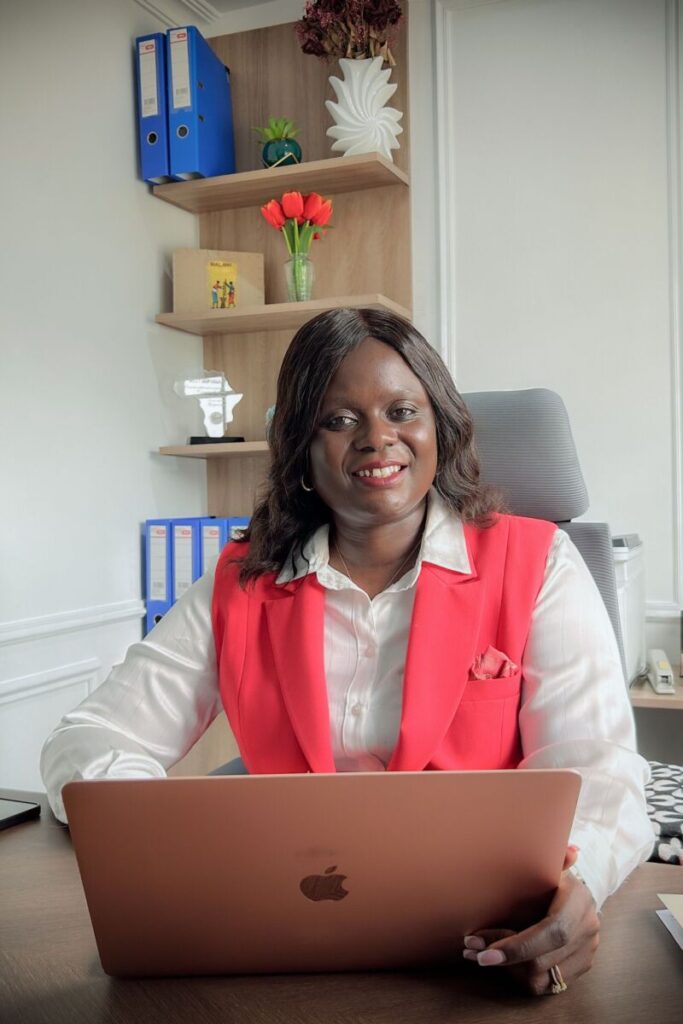
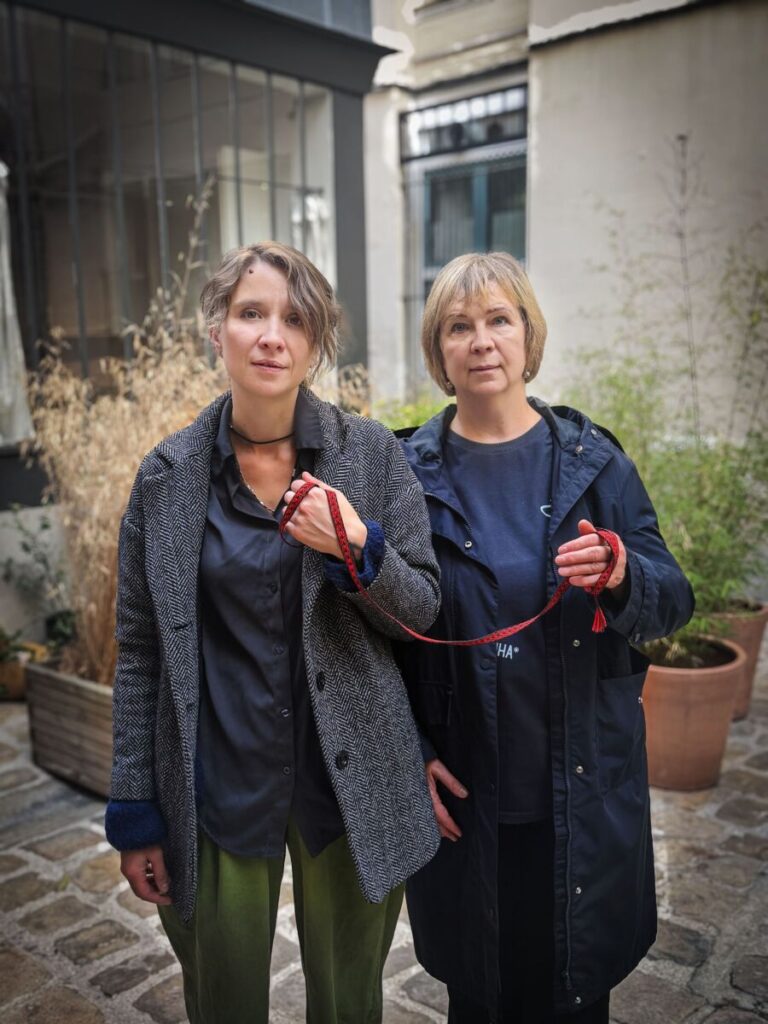
Women in Ukraine
It is impossible to express the impact of the war on Ukraine in words and numbers. As in all armed conflicts, women and girls are the worst impacted. M ost of the over 8 million refugees generated by the conflict, and the majority of the 6.3 million internally displaced persons, are women and girls. Even before the 2014 war in Eastern Ukraine, gender-based violence was already highly prevalent in Ukraine in the form of sexual harassment, domestic violence and human trafficking.
Iryna Dovhan and Alisa Kovalenko are Ukrainian survivors of conflict-related sexual violence committed by Russian forces. Iryna leads SEMA Ukraine, a survivor-led network. Alisa, a documentary filmmaker and SEMA board member, directed the film Traces, which tells survivors’ stories from inside the community.
Alisa Kovalenko
“When Russian aggression started, I was a student of a documentary faculty in film school in Kyiv. I went to document the beginning of Russian aggression in Donbas. After two weeks of filming, I was captured. I survived captivity and sexual violence from a Russian officer, who was a head of counterintelligence service there in Donbas. After what happened to me, I couldn’t speak for almost two years. When I gave my testimony, I found out that I was the first woman speaking about conflict-oriented sexual violence in Ukraine. There was a big wall of silence and stigma, nobody spoke about it. Two years later, thanks to my testimony, Irma found me and invited me for the first meeting of survivors of conflict-related sexual violence in Ukraine. It was 2019. I joined this meeting, which later became a big movement of women survivors for recognition and justice.”
Her message for future generations: “I want to say that only in unity you can achieve something. We can see it in our small example. While we were all separated, it was nothing. When we became united, we achieved a lot of things.”
Iryna Dovhan
“I survived 12 years ago when Russian aggression started. I survived violence in the hands of Russian combatants. And this motivated me later to start my personal fight for justice.”
Her message for future generations: “Behind the big achievements there are a lot of very small steps and maybe sometimes even steps backwards. I try to believe in these small steps and not look at how big the mountain is.
Women and reproductive rights in Ireland
In 1983 Ireland introduced one of the most restrictive abortion laws globally. Abortions were a crime in all circumstances except one – when the mother’s life is deemed to be at risk. In practice, this meant pushing women to the brink and needlessly endangering their lives. It was effectively impossible to have an abortion in Ireland, whatever your circumstances, including rape or incest.
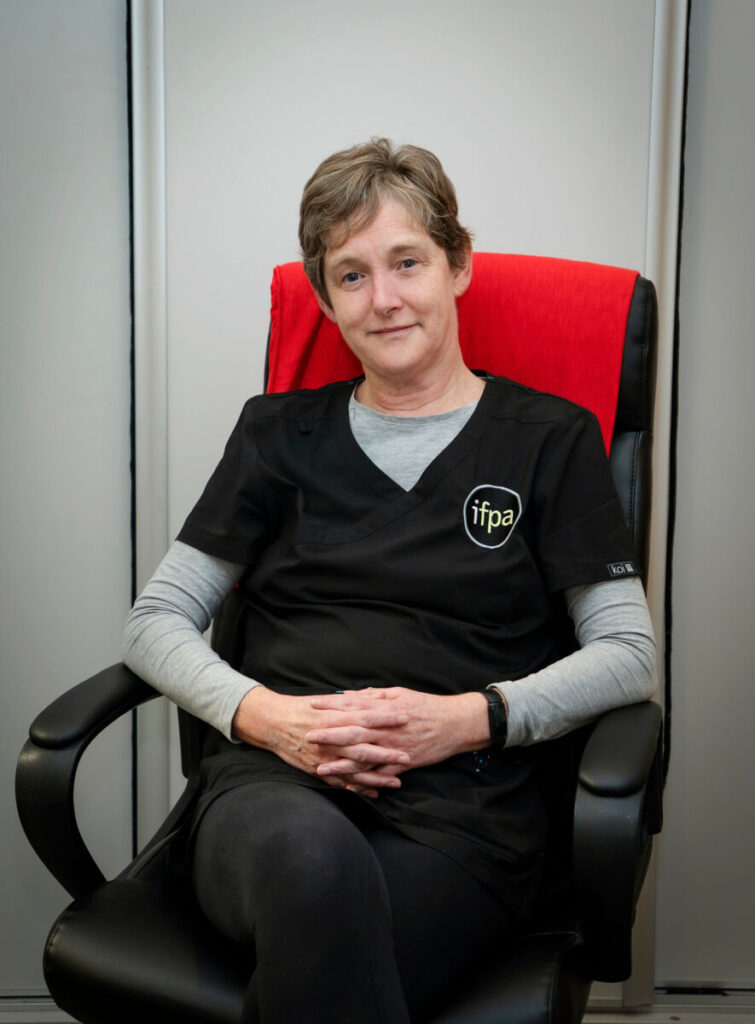
Dr Caitríona Henchion, Medical Director of the Irish Family Planning Association, is a longstanding advocate for women’s sexual and reproductive rights. She has championed access to contraception and women’s freedom to make informed decisions about their reproductive lives. A highly respected and reluctant hero, she helped translate abortion law reform into practical, compassionate care in Ireland. She established the Irish Family Planning Association’s Female Genital Mutilation clinic in 2014 and abortion care service in 2019.
“I always loved women’s health and gynaecology. I presume partly that’s because I’m a woman. And, I think a lot of women maybe have had a moment where a doctor or a midwife or whoever has actually been pivotal in something for them. Working for the Irish Family Planning Association, I saw firsthand the hardships that people were going through. I hated having to say to people, “there’s just nothing I can do. I can’t help you.” I had the opportunity to speak out and to actually get an audience and to be heard. And even though that was not a very comfortable place, it was actually quite intimidating in a lot of ways. It’s not what I had thought I was going to do with my life. When the referendum [to repeal the Eighth Amendment] was passed, all I felt was relief.”
Her message for future generations: “My big message for the next generation is just because you get something doesn’t mean it can’t be taken away. You look around the world and you look at how much things have rolled back in places where we took it for granted that there were freedoms and that there were rights. You always have to remember that you continually have to uphold a right.”
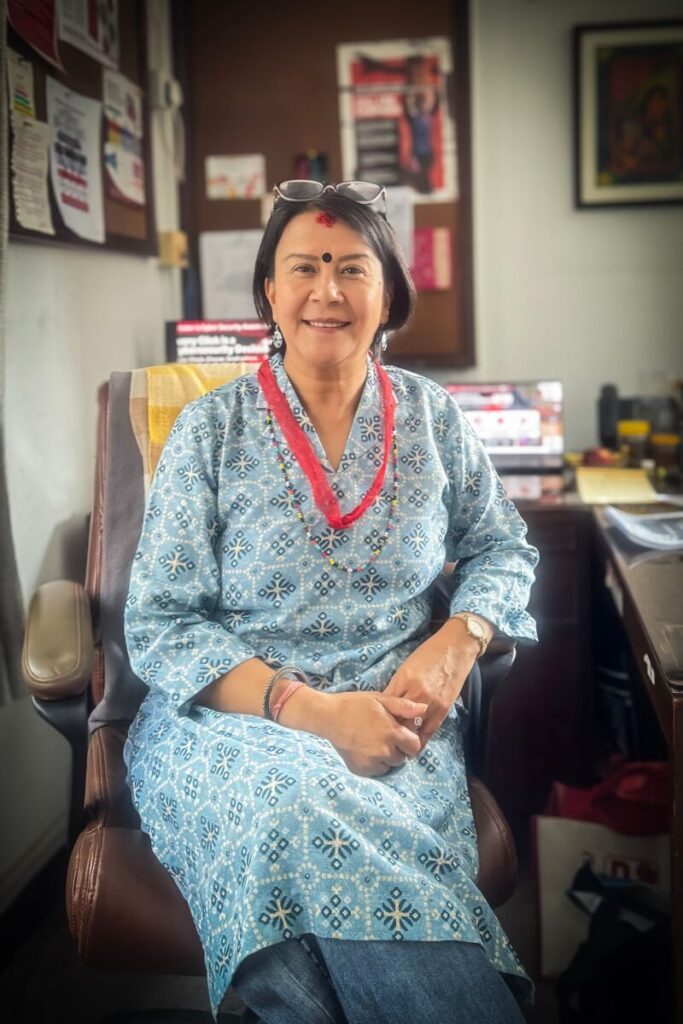
Women and climate change
Sujeeta Mathema is Director of ActionAid Nepal.
Sujeeta has extensive experience working in the field of human rights, especially on women’s rights. She is leading the organisation’s response to the recent devastating floods in Nepal.
“Women are normally seen as a recipient of aid. Whenever a crisis happens, whether a disaster, a climate crisis or an emergency, for example the recent flash flood. Now, women are recognised as responders because if you look at it, it’s always women who are the first responders, right?”
Her message for future generations: “No woman should have to fight injustice alone, especially when there are barriers everywhere created by patriarchal norms. When you show the solidarity far from my country, I feel that there is someone who understands me. It’s from individual to the collective power, making our voices louder and clearer.”
Violence against women in Ireland
In Ireland, for much of the last century, domestic and sexual violence was largely hidden, with minimal state intervention or specialised support structures. Up until 1990, marital rape was legal. Today, violence against women in Ireland remains a major public health and human rights issue. According to the CSO, 65% of women aged 18-24 reported sexual violence experienced in their lifetime
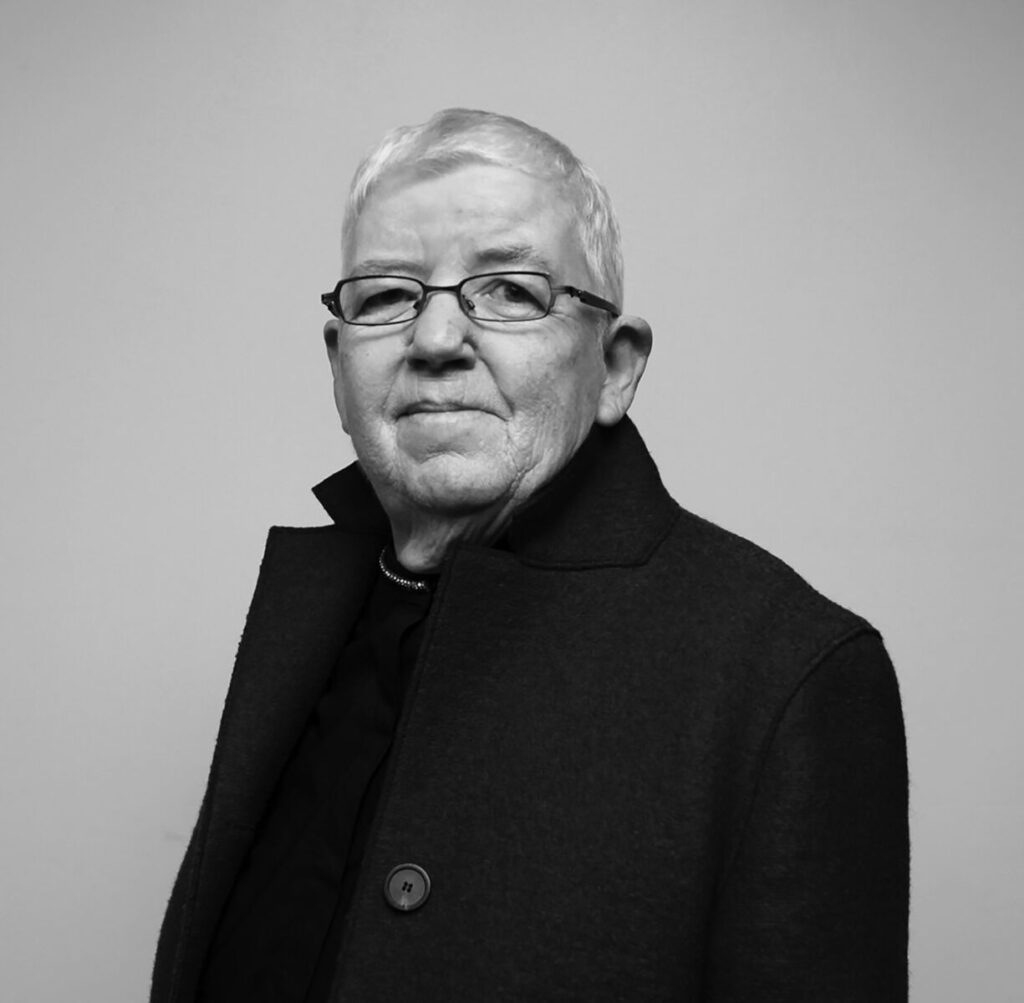
Mary Crilly was a founding member of the Sexual Violence Centre Cork in 1983. There, as the CEO for over 40 years, she pioneered trauma-informed counselling and support for women, men, and teenagers in the region. She is a longstanding advocate of survivors of sexual violence.
“One big thing I’ve seen over the years is people being believed. Back then, they weren’t believed at all. More women and men who’ve been abused in Ireland coming forward and becoming public has made a massive difference. When we could see the faces and the names, that really flipped things. It humanised it. People say, ‘This happened to me, and it should not have happened to me.’ It gives people courage to know they’re not on their own.”
Her advice for future generations: “Healing is great, but we need to make culture change. I’d love every organisation to become a bit more militant, and students to be active on gender-based violence and not be afraid to put their heads up.”
Women in Gaza
Three years of genocide by the Israeli army have killed 74,000 Palestinians, razed much of Gaza to the ground and left almost the entire population displaced. Palestinians in both Gaza and the West Bank live under apartheid conditions.
The humanitarian situation in Gaza is catastrophic.
Women and girls have been hit hardest. They have limited access to essential services like maternity healthcare and safe spaces. Palestinian organisations and women’s rights organisations are leading the response, despite living through the very same appalling conditions as those they support, and despite experiencing unimaginable loss.
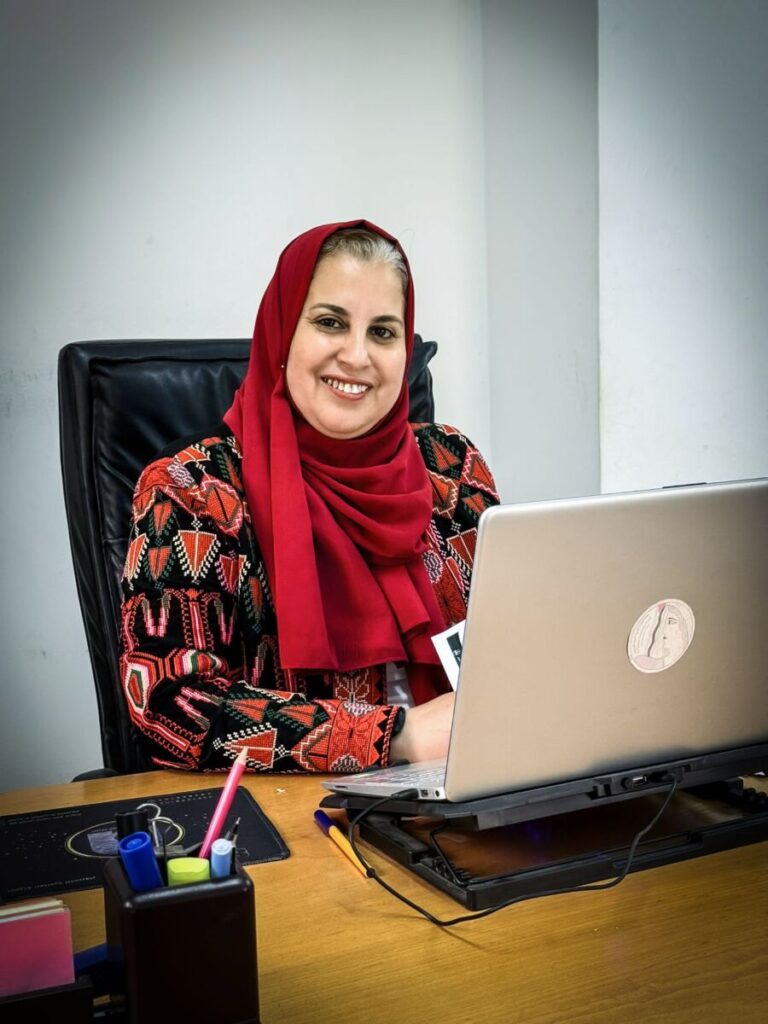
Sahar Yaghi is the director of the Palestinian Development Women Studies Association, a women’s rights organisation and ActionAid Palestine partner working to advance women’s rights, protection, and empowerment. Amid the ongoing humanitarian crisis in Gaza, she champions women’s leadership and the vital role of women-led organisations in supporting women and girls, responding to gender-based violence, and strengthening community resilience. Through her work, Sahar advocates for women’s meaningful participation in humanitarian responses, recovery, and rebuilding efforts in Palestine.
“I was born into a very progressive and open family in Gaza, not a conservative family. There is a strong need for the existence of powerful women who could defend the rights of women and who could say no to all violations and to all wrong things that are happening here and there. For years before the war, we worked with women to empower them to increase their public and political participation, to empower women, especially in political process and in decision making.”
Her message for future generations: “We want to thank every person who was in the street who expressed solidarity with our cause under the blockade, under the siege, under the starvation. These solidarity actions need to continue again and again because our issue is not over, our cause was not solved.”
Women and climate change
The climate crisis is one of the most pressing issues of our time. The poorest countries, which have done the least to cause the climate crisis, are now paying the highest price. Women and girls are often the most impacted, having to travel further for water during droughts, being pulled out of education and facing an increased likelihood of sexual violence.
Sadhbh O’Neill is a journalist, academic and climate activist. She is a fearless voice for climate and environmental justice, climate action and a cleaner environment.
“What the women’s movement and women’s ways of organising can teach is that we have the capacity to really make things happen on the ground and to bring people along with us. Building up the capacities of women and women’s organisations in developing countries to speak up for themselves is the best route to climate justice.”
Her message for future generations: “What would I say to a young person? I would say get involved with local groups that meet in person. Forget the online stuff.”
Even though in local communities women have always played a part in humanitarian response, they have historically been left out of larger scale response, with specific needs for women including nutrition for pregnancy and breastfeeding and safe spaces for women who have suffered assault forgotten.
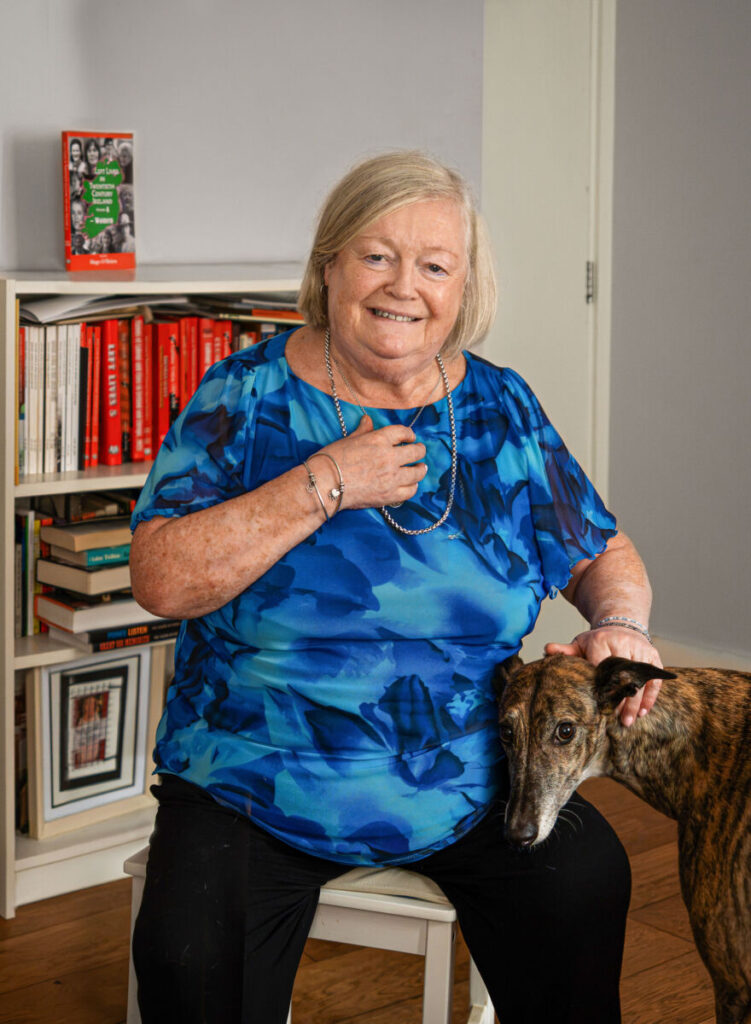
The systematic denial of women’s rights in Ireland
Ireland has a history of denying women their rights, from restrictions on reproductive rights to Mother and Baby homes to the marriage ban. In recent history, women in Ireland needed their husbands’ permission to open a bank account, were subjected to brutal maternity practices, and couldn’t access contraception or divorce.
In 1986, the first divorce referendum in Ireland was a landslide defeat. The grassroots women’s movement that emerged from this led to a second referendum in 1995 and the legalisation of divorce in Ireland.
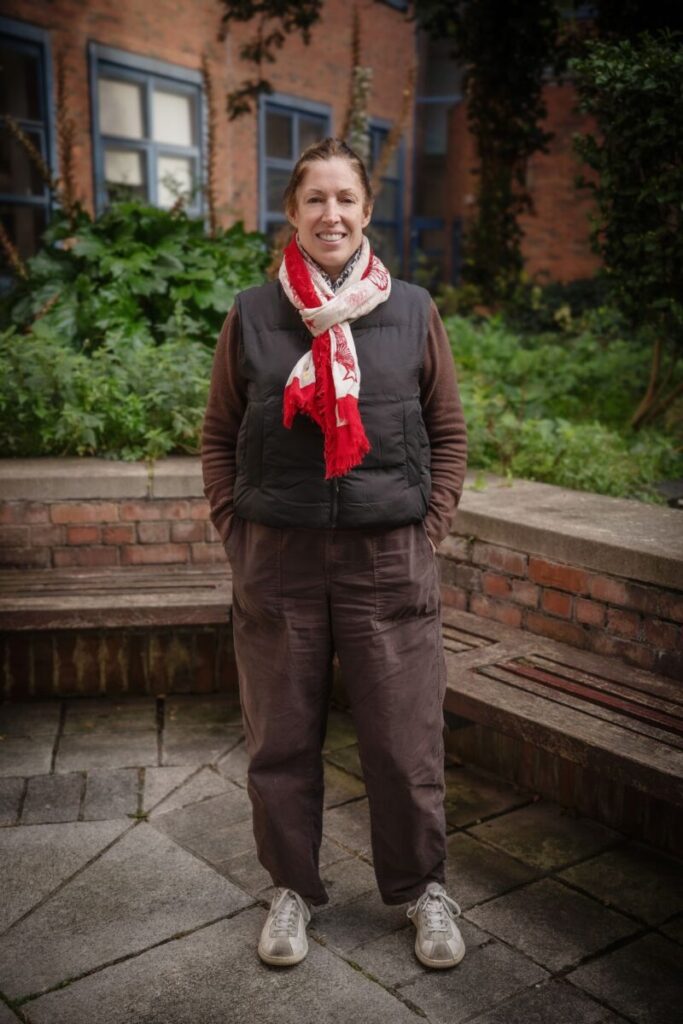
Mags O’Brien, a trade union activist, was deeply involved in Irish political activism and trade unionism. She served as Chair of the Divorce Action Group during the 1995 divorce referendum and participated in the 1986 divorce referendum campaigns. She was active in the Freedom Flotilla to Gaza in 2011, during which the crew was captured at sea and held in an Israeli jail, and she continued her Palestine solidarity work with Gaza Action Ireland.
“I got married in 1976 and in 1982 we separated and I discovered when I went to buy a house that I needed his permission and his signature. I got involved in the divorce action group in the early 80s and was on its executive in 1986 and that was the referendum that we lost. An awful lot of people had come forward during that referendum and everybody was devastated after that. A lot of people left the country, but some of us decided that we weren’t going to lie down under it. I think the government thought the floodgates had closed, but in fact, what they had done was they had opened them. Because once people started telling their stories, then it became more obvious that people needed divorce.”
Her message for future generations: “Education is the key to achieving equality. The backlash against women’s rights is down to misinformation. And the only way you can counter that is with proper information.”
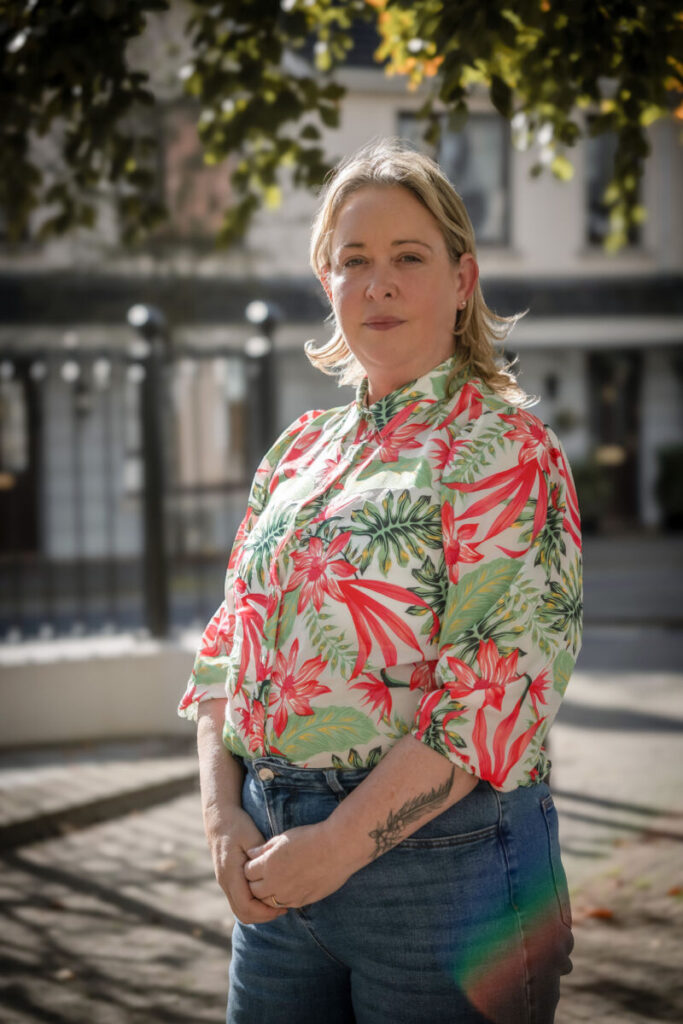
Women in the Irish defence forces
Ros O’Callaghan
“I use my voice to advocate for women, to seek accountability and to help bring about meaningful change within the Irish Defence Forces. Women should be able to serve their country without fear of abuse, without fear of discrimination and without fear of retaliation. And they should be able to report wrongdoing and to be treated fairly with respect and dignity. It’s about ensuring that women are heard, that their experiences are taken seriously, and that no woman serving today or in the future has to endure what so many women have described.”
Her message for future generations: “I want the next generation of women to be able to serve in the Defence Forces with pride. Most importantly, I want women to be believed.”
Women in the Irish defence forces
Women in the Irish defence forces
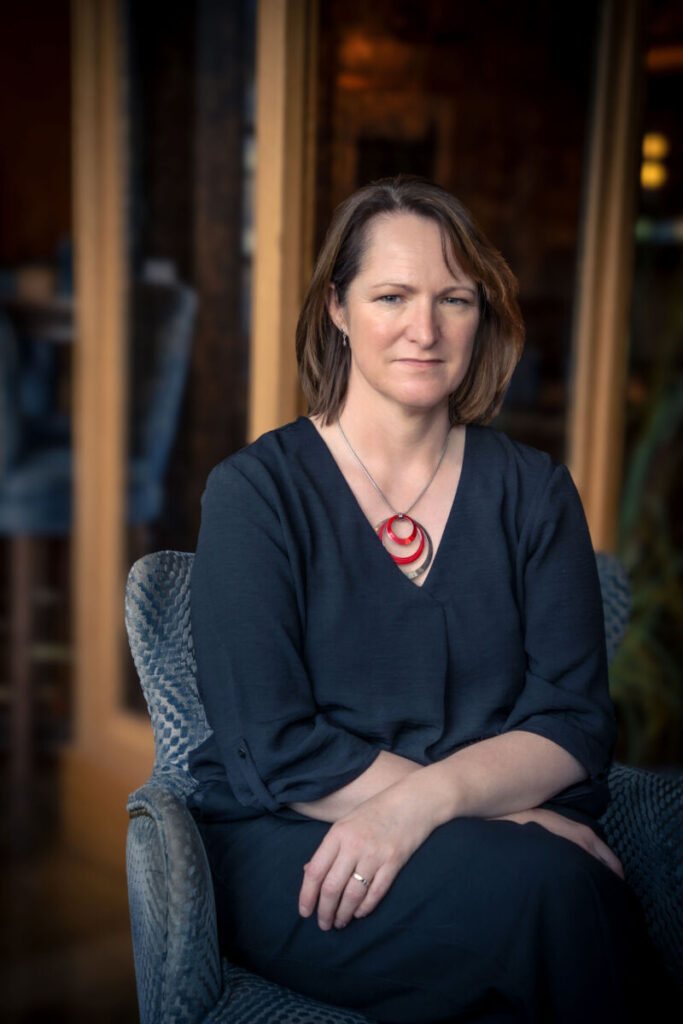
The Women of Honour are a collective of serving and former Irish Defence Forces members campaigning against gender-based violence, harassment and abuse within the military. By speaking publicly about their experiences, they brought allegations of sexual abuse, bullying and discrimination to national attention.
Diane Byrne
“I got offered a job opportunity coming out of college and I thought, okay, let’s see what an engineer in the Defence Forces does. It was challenging, as you would expect. It ate away at my confidence, it ate away at my soul. The crux of the issue developed around maternity leave and discrimination around promotion. Until we start to recognise childbirth and then the role women play in that as something to be rewarded and not punished, then we’re going to continue to see inequality. The idea that anybody was as alone as I felt really bothered me.”
Her message for future generations: “I think solidarity is so important. But a lot of solidarity exists behind closed doors. I think people quietly support us. And I think every voice matters. Every single voice can make a difference.”
Women defending human rights internationally
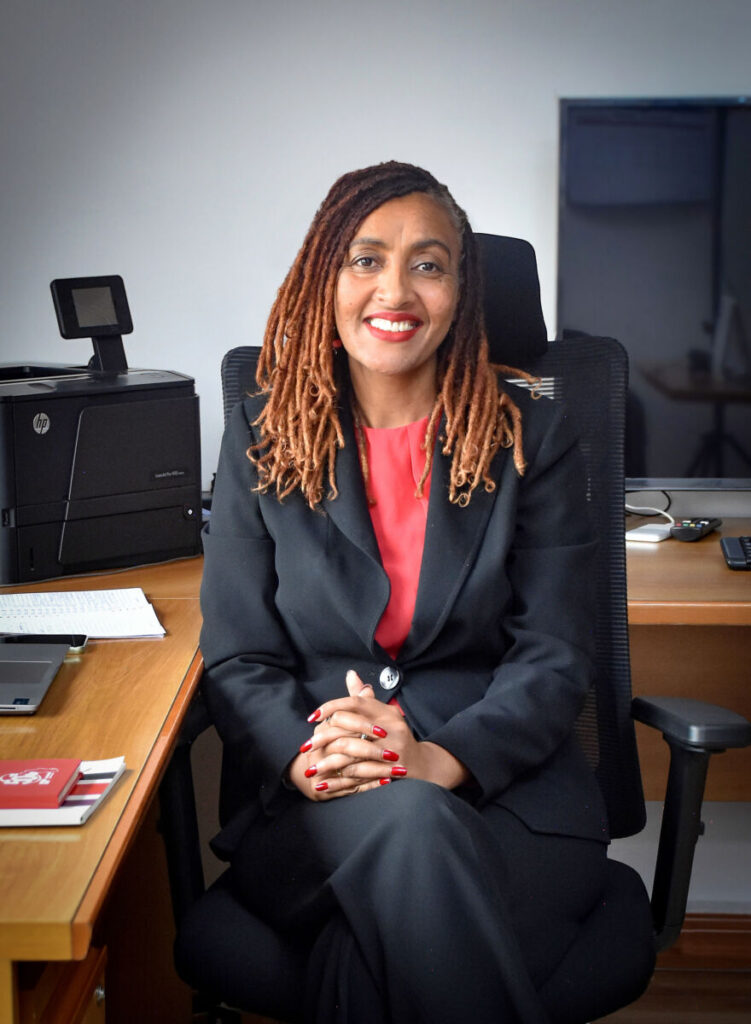
Gender-based violence remains one of the world’s most pervasive and grotesque human rights violations. One in three women will endure physical or sexual violence in her lifetime. In 2024, 50,000 women and girls were killed by an intimate partner or family member – one every 10 minutes. Gender-based violence is a global emergency.
Fanaye Gebrehiwot is Director ActionAid Ethiopia. She is an Ethiopian feminist with a vision of contributing meaningfully to gender equality and social equity everywhere. In Ethiopia, women have strong rights on paper. In everyday life, though, traditional attitudes, weak enforcement of the law, and ongoing conflict often stand in the way.
“There are so many structural systemic barriers that are keeping girls and women behind, from violence, to access and control over resources, to decision making and voice and the lack of agency. Violence against women happens across the country in different parts and it’s expressed in different ways. We talk a lot about female genital mutilation, but it’s one of them. But there is forced and early marriage as well, child marriage in different parts of the country.”
Her advice for future generations: “It will take us over 100 years for gender equality to be achieved, but we cannot wait that long. We have to reframe the system to offer girls and young women equal opportunities at all levels.”
Women defending human rights internationally
The work of women human rights defenders is seen as threatening the status quo and challenging traditional notions of family and gender roles. This can place them at grave risk from those who consider them to be threatening religion, honour or culture through their work.
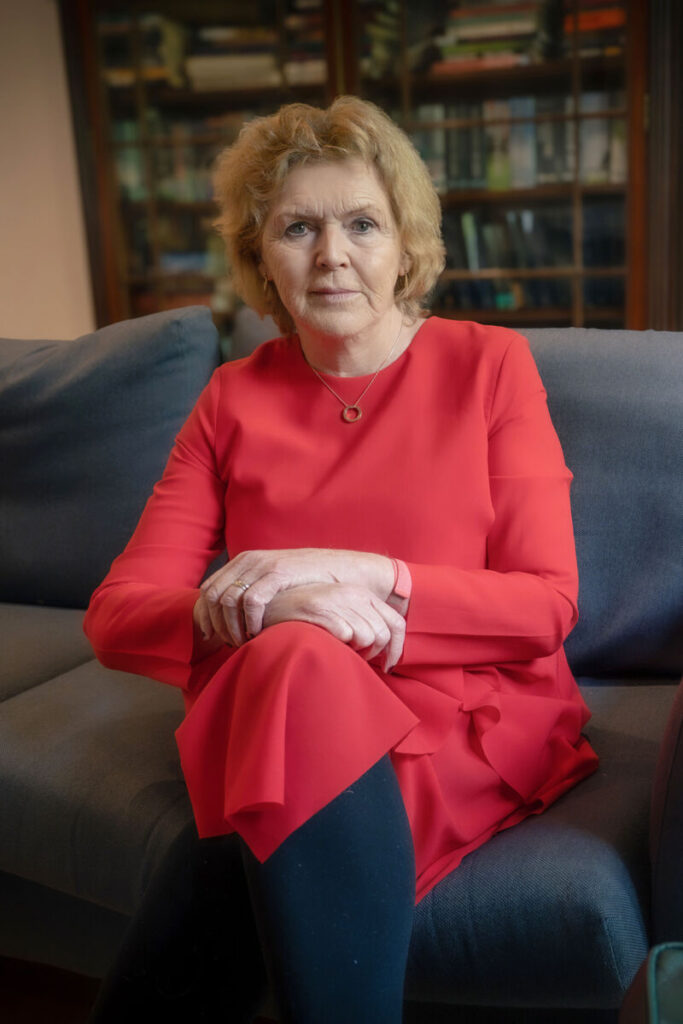
Mary Lawlor is Adjunct Professor of Business and Human Rights in the School of Business of Trinity College Dublin. She is the former United Nations Special Rapporteur on the situation of human rights defenders and founder and former Executive Director of Front Line Defenders. She is former director of the Irish branch of Amnesty International.
“Women human rights defenders have always been at the fore of demanding the rights all are entitled to simply because they are human. They have challenged and continue to challenge the patriarchy, discrimination, isolation and inequality that mark the lives of women and girls and those whose voices are not listened to.”
Her message for future generations: “Solidarity is the last weapon of the defenceless. There are many ways to get involved. It’s not hard and it’s not rocket science.”
Women standing up against discrimination and racism
In Ireland, Traveller women face a “triple discrimination,” experiencing intersecting prejudice based on their gender, their ethnicity as Travellers, and their identity as Traveller women.
Rosaleen McDonagh is an Irish Traveller feminist, playwright and disability rights activist whose work champions women facing overlapping forms of discrimination.
She spent ten years at Pavee Point Traveller and Roma Centre, managing its violence against women programme and advocating for Traveller women’s rights. Through her plays and writing, she challenges stereotypes and brings Traveller and disabled women’s experiences into public view.
“I think I made an impact by showing up, by just showing up, by honouring my intelligence. By honouring my gift around writing. By honouring my community and my ethnicity. By honouring the hard stuff, the domestic violence — how it’s so close to me. By honouring my disabled body. By honouring and living a rich and deep, beautiful life.”
Her message for future generations: “First of all, I want them to be happy. I want them to feel that they have a right to be ambitious and that ambition is possible. I also want them to access their own choices. But more importantly, I hope the next generation holds on to bits of our culture that are really important. I hope they as women hold our wisdom.”

Stay updated on our latest news, how you can stand up for women and girls everywhere, and the amazing results of your support.
"*" indicates required fields
Whatever action you took today, thank you for believing in women and girls.
More than 75% of people in Ireland believe in change.
It feels good to know you’re not alone. Everything we do is about taking action, so that women and girls feel supported to stand for a fairer world.
And if giving feels like the right way for you to help, that’s what a donation can support. When you give a little here, the chances of change are hugely enhanced everywhere we work.
Hundreds of thousands of people in Ireland already believe in tackling inequality and supporting women’s rights. Women and girls are not on their own. Let’s make sure they feel that way. Always.
Get informed and inspired
With your support, women and girls are transforming systems and demanding lasting change. Read how they’re doing that here
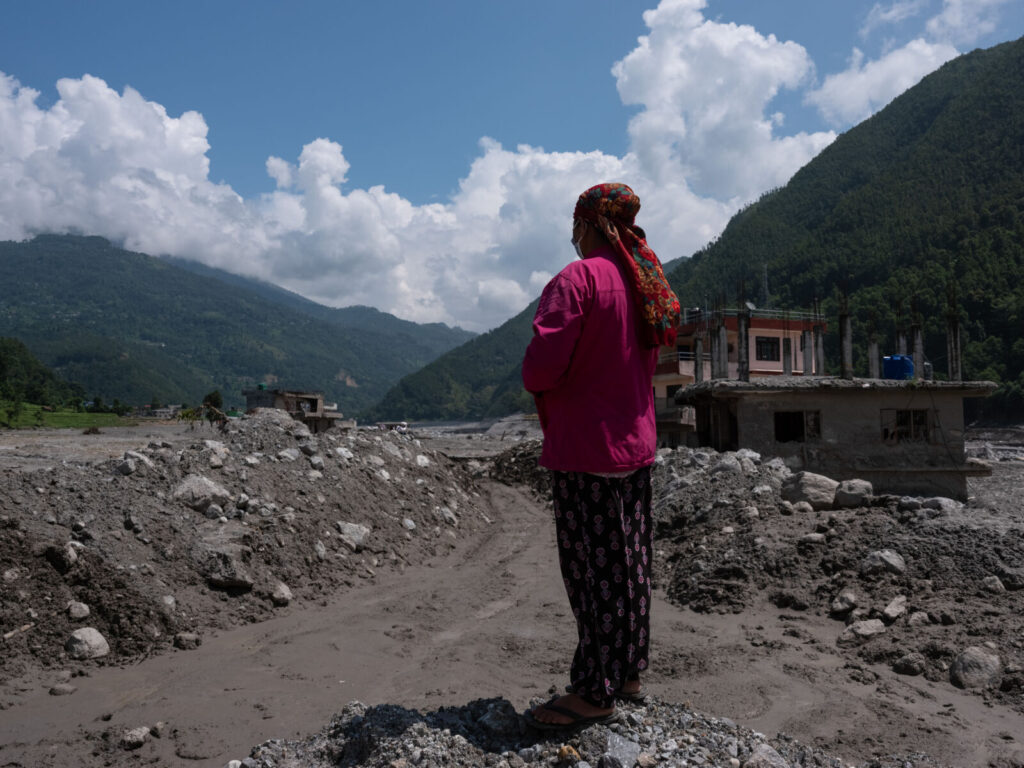
It’s been four weeks since flash floods tore through entire communities in Nepal. Four weeks since the world witnessed the scale of the devastation. The terror. The loss of lives. The grief. As of today 1,453 people have died, 5,644
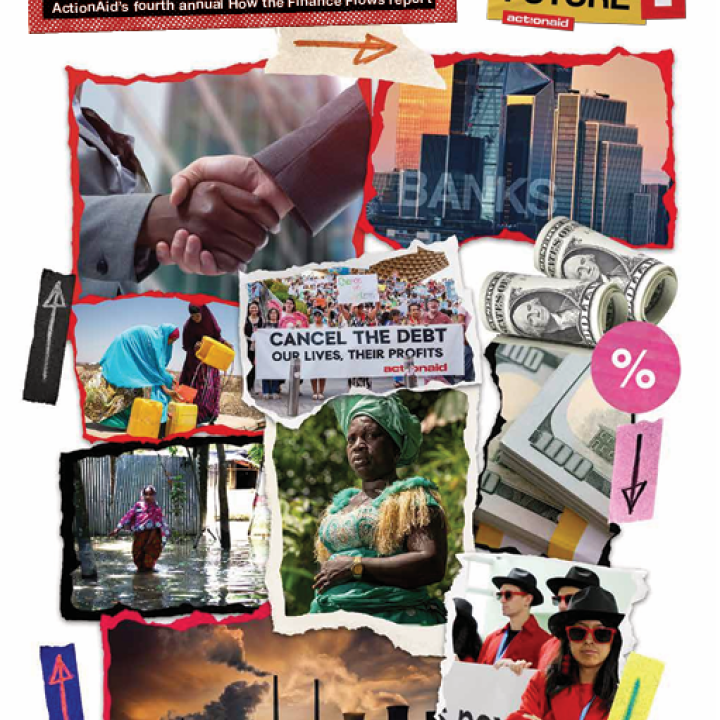
Debt is blocking climate action. Breaking the debt trap is one of the most powerful and achievable solutions within reach. Debt fuels the Climate Crisis ActionAid’s new flagship report, Debt fuels the Climate Crisis: How the Finance Flows, reveals the
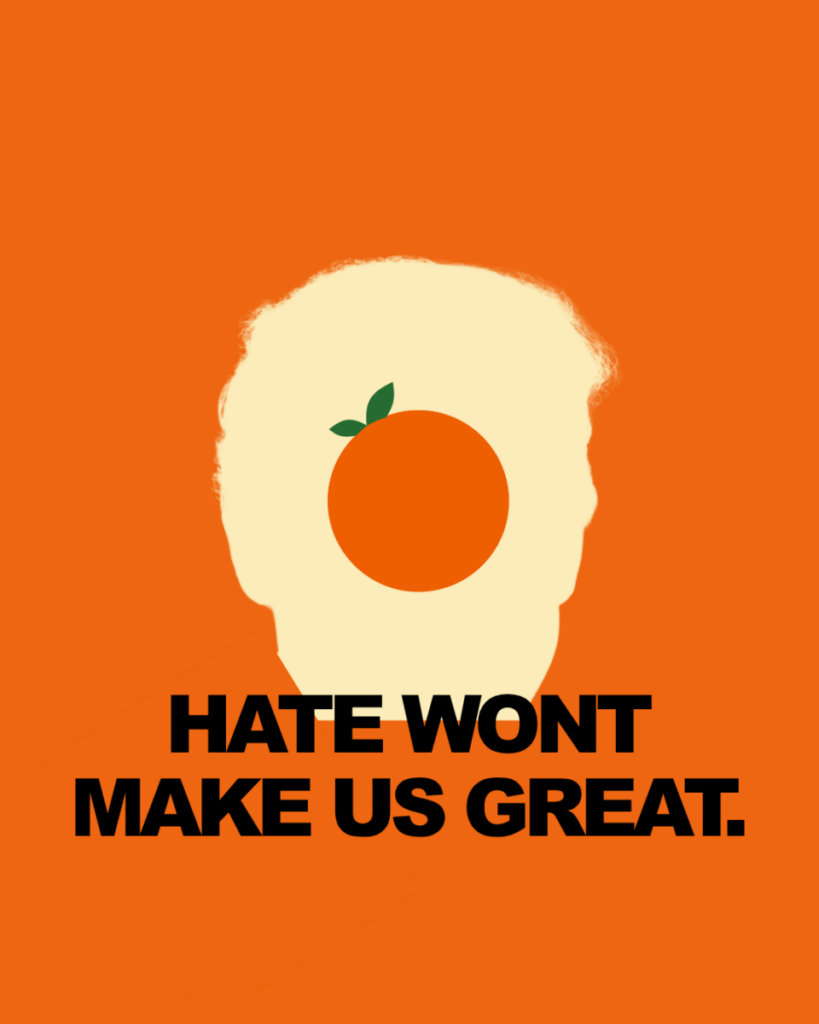
This Saturday, 12 September, we’re joining other women’s rights organisations to stand together against hate. We will be peacefully protesting Donald Trump’s visit to Ireland. All are welcome to join us. Why are we marching against Trump? In short, because
Fancy trying something new this autumn? Whether you’ve always wanted to garden, learn to sew, or discover how to become a more effective campaigner, ActionAid Ireland’s new Skills for Change Academy offers the perfect opportunity to learn, create and connect.
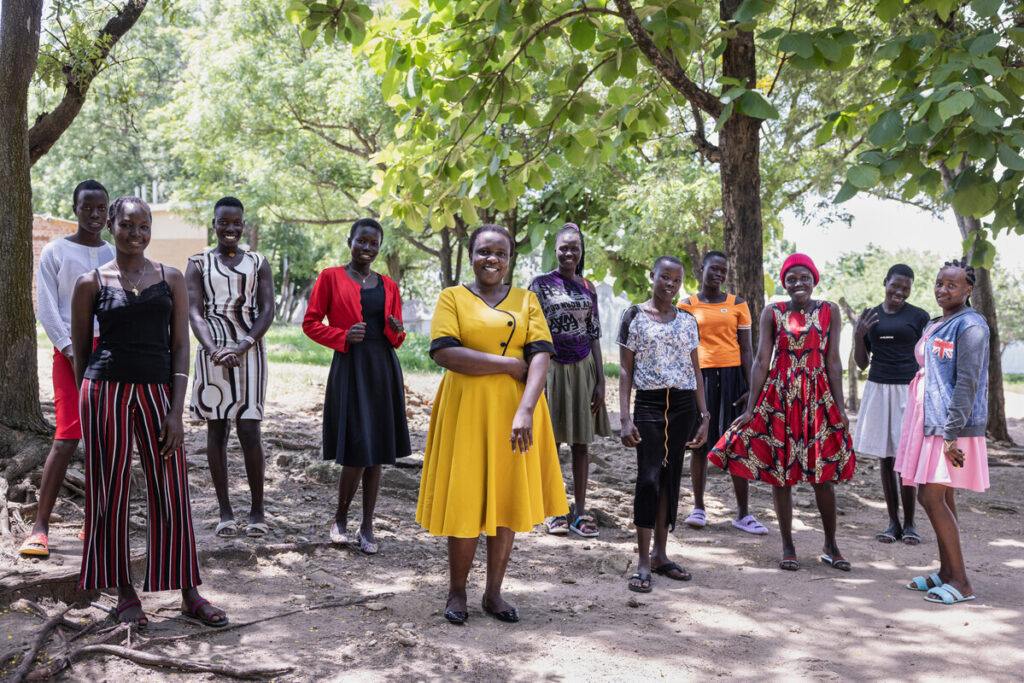
To launch our 2025 Annual Report, we will hold an online event Your Support in Action, on Thursday 30 July at 1pm. We will celebrate the impact we had in 2025. Made possible by the generosity of our supporters. 2025
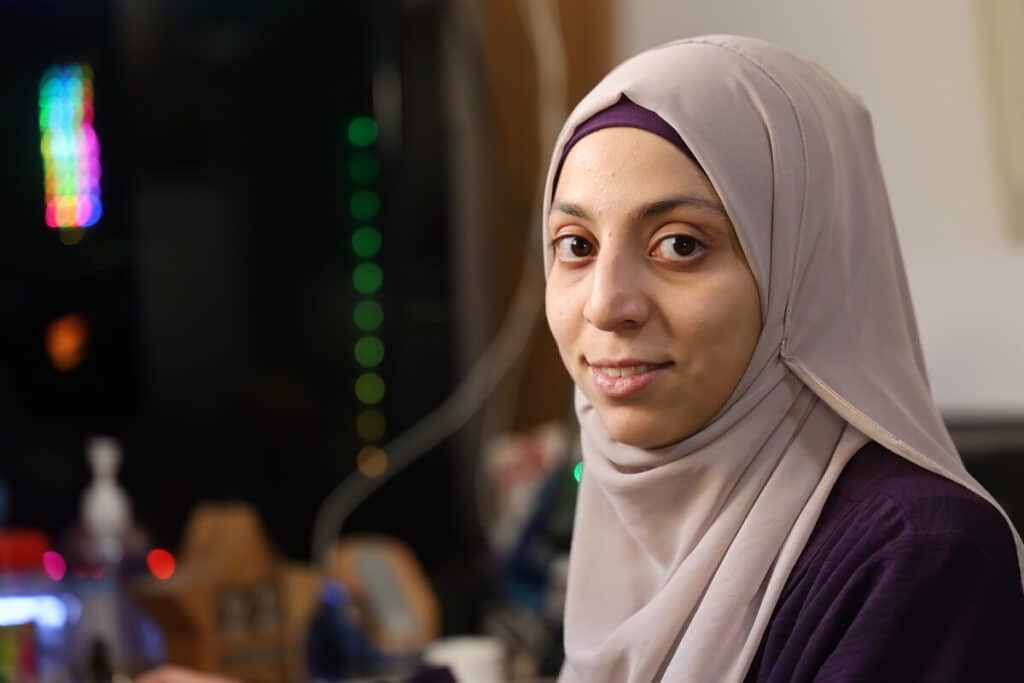
Every day in the occupied West Bank, Palestinian life unfolds under a system of control that shapes nearly every aspect of daily existence. From the moment people leave their homes in the morning until they return at night, movement, work,